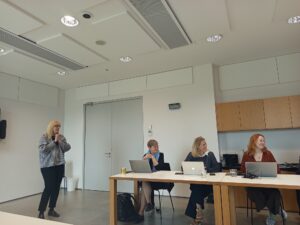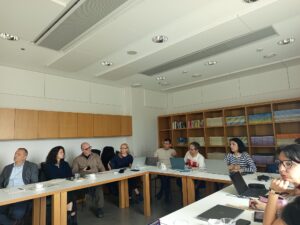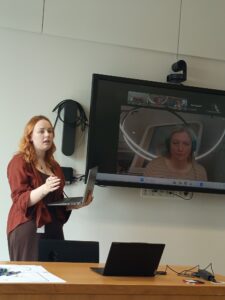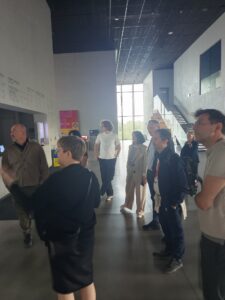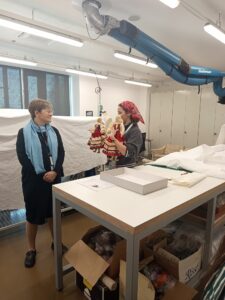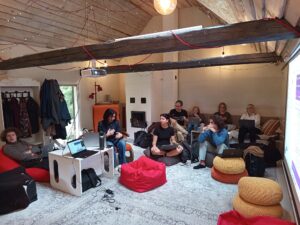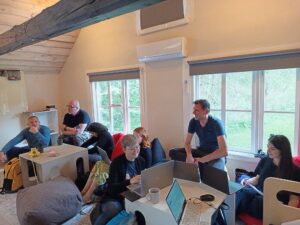


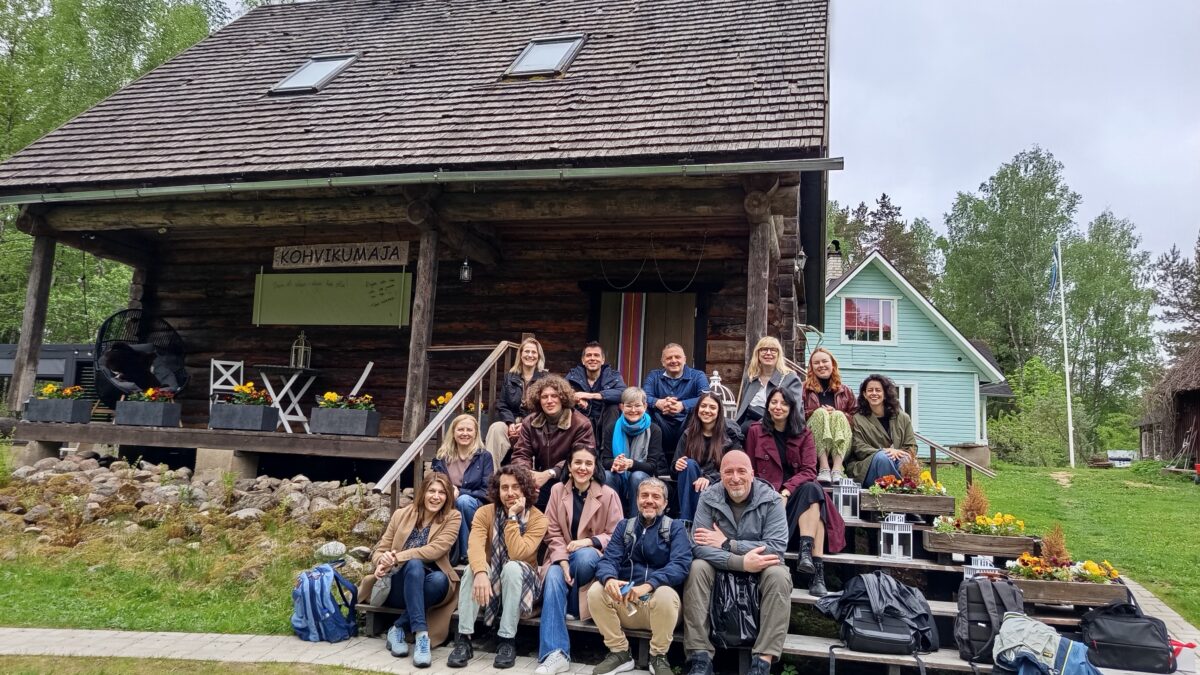
KEPA executives attended the fourth plenary meeting within the framework of the i-Game Project. The meeting was hosted in Tartu by the Estonian National Museum (ENM). Pille Runnel and Agnes Aljas warmly welcomed the i-Game project partners to both the museum and Estonia, a country renowned for its historic capital Tallinn, its lush forests, rich sauna culture, and remarkable technological advancements.
Held on May 19–20, the fourth plenary meeting of the i-Game project brought together project partners to review progress, discuss upcoming activities, and define future priorities. Discussions focused on pilot implementation, data collection strategies, inclusion tools, platform and toolkit development, ethical design, impact assessment, dissemination activities, and exploitation opportunities.
Partners presented survey and qualitative research findings, network analysis results, and operational priorities, while emphasizing the importance of cross-sector collaboration and stakeholder engagement. The meeting also highlighted upcoming events, networking opportunities, Game Jam support activities, communication materials, and plans for a high-visibility final event. In addition, the consortium explored the project’s exploitation potential, supporting the commercial viability and long-term sustainability of the i-Game platform.
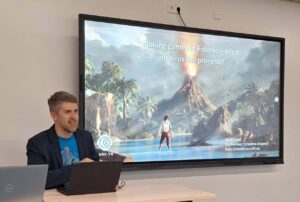
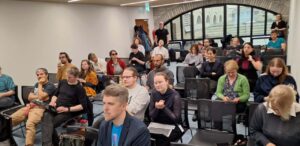
Project partners also had the opportunity to attend the local dissemination event organized by the Estonian National Museum in Tallinn on May 21, 2026. The local dissemination event, titled “Games and Museums: Designing Experiences through Co-Creation”, took place at the National Library of Estonia in Tallinn and brought together researchers, game developers, museum professionals, and educators to explore the role of games in culture, education, and collaborative creation.
The event featured presentations and discussions on game development, co-creation practices, and the educational and cultural value of video games. Rein Zobel from Maru VR Productions highlighted the strong potential of video games in education and shared insights from developing games for museums in Estonia. Taavi Varm from the Estonian Academy of Arts focused on game co-creation as a practice of care, learning, and shared agency, emphasizing collaborative creativity and psychological well-being through the game-making process.
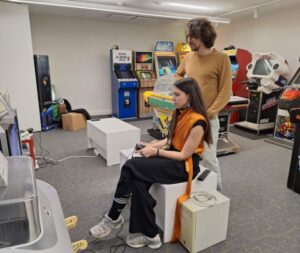
Camille Laurelli, Co-Founder of the Video Game Museum LVLup!, presented video games as cultural heritage, sharing stories from the museum and underlining the importance of community support and donations in preserving gaming history. Diana Fehr introduced the i-Game project and its co-creation approach, while researchers from the Estonian National Museum explored co-creative practices, future perspectives for games in museums, and game jams as tools for research and learning.
The consortium’s vision for the co-creation platform was presented by Diana Fehr, Founder and Director of the MuseoSpace Foundation, who highlighted the project’s interdisciplinary community, the inclusive nature of the i-Game approach, and the four pillars of the digital tools leading to a platform-driven Game Design Document (GDD). Furthermore, Pille Runnel, Research Director at the Estonian National Museum, and Agnes Aljas, Research Secretary, shared perspectives on co-creation and the future role of games in museums, while also presenting practical experiences from co-creative Game Jam initiatives.
Finally, Triinu Jesmin from Tallinn University emphasized the educational value of games and highlighted game creation as an effective and engaging learning method. The event concluded with discussions and a playformance hosted by the Estonian Academy of Arts, fostering networking opportunities and creative exchange among participants.