




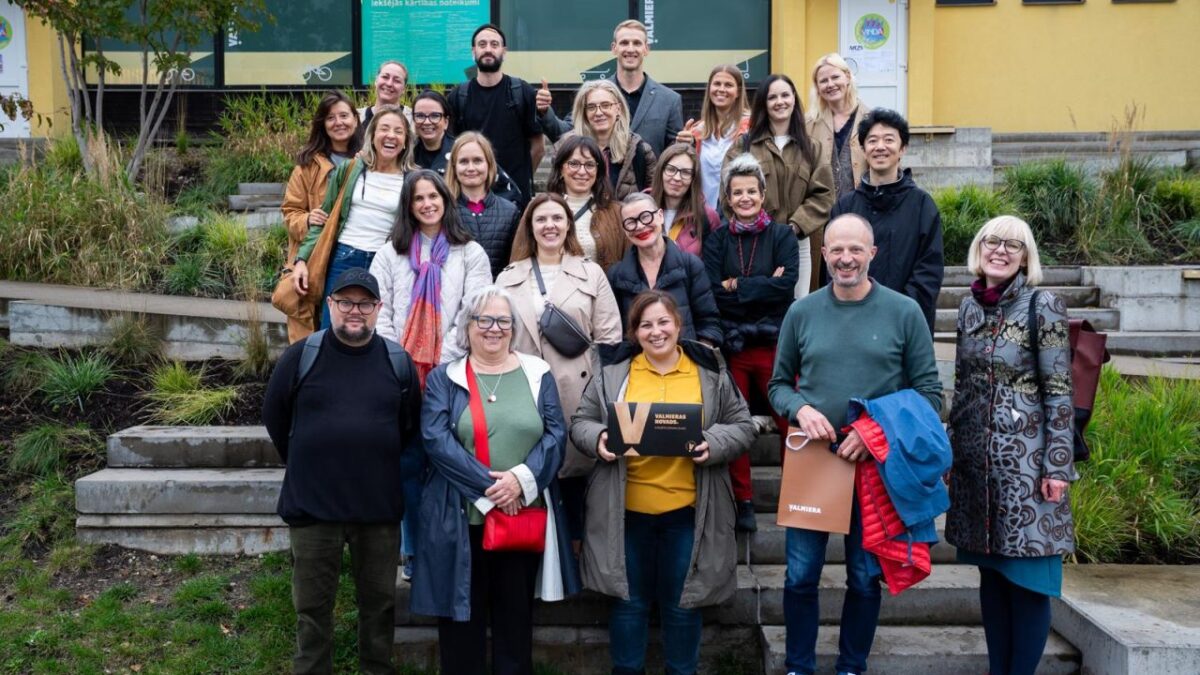
– How can local identity, cultural heritage and a sense of belonging contribute to building more sustainable, inclusive and resilient communities?
This question was at the heart of the 6th Transnational Workshop of the European project PICOBELLO, held from 29 September to 1 October 2026 in the Vidzeme region of Latvia, with activities taking place in Valmiera and Gulbene.
Hosted by the Vidzeme Planning Region, the meeting brought together project partners and regional stakeholders, including two representatives from KEPA’s EU Projects Department and one representative from the Region of Central Macedonia, to exchange experiences and explore approaches to integrating the principles of the New European Bauhaus (NEB) into regional policies and practices. A central objective of the meeting was to contribute to the development of practical guidance for other European regions seeking to embrace the NEB’s core values of sustainability, aesthetics and inclusion in the design and implementation of initiatives that respond to the needs of local communities.
Sharing Good Practices: Local Identity as a Driver of Development
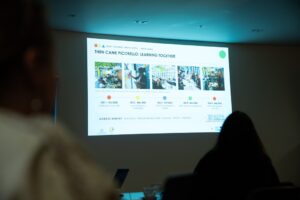
The first day focused on the exchange of good practices from participating European regions under the theme “Identity, Sense of Belonging and Resilient Communities.” A key contribution was the presentation by the Region of Central Macedonia, entitled “Integrating NEB Principles in the Region of Central Macedonia: The Vision for Our New Observatory.” The presentation highlighted opportunities to embed NEB principles into regional planning and policy evaluation, supporting more sustainable and people-centred approaches to regional development.
The session also showcased inspiring initiatives from across Europe. Among them was “El Palomar: From an Old House to a Shared Place,” demonstrating how an existing building can be transformed into a shared community space, as well as a case study from Katowice, Poland, focusing on improving accessibility and making cultural institutions more inclusive.
Other contributions explored the development of local NEB networks, the integration of design-led approaches into public policymaking, and initiatives connecting remigration, local identity and community resilience. Together, these examples demonstrated that sustainable development extends well beyond environmental considerations. It is equally connected to quality of life, cultural identity, citizen participation and the strengthening of social ties within communities.
From Concepts to Practice: Exploring Cultural and Recreational Spaces
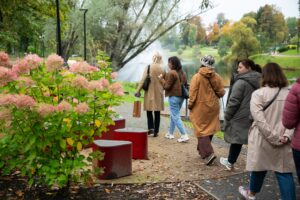
The first day concluded with study visits to two distinctive sites in Valmiera, showcasing different approaches to reusing existing infrastructure and creating public spaces with cultural and social value. Participants visited “Kurtuve,” a contemporary art space housed in a former boiler house, which has been repurposed to host cultural and creative activities, and “Mežs,” a sports and recreation park offering opportunities for physical activity and leisure for people of different age groups. The visits highlighted how adaptive reuse and inclusive public-space design can contribute to urban regeneration, strengthen social interaction and support the development of more welcoming and inclusive communities.
Co-creating New European Bauhaus Guidance for Other Regions
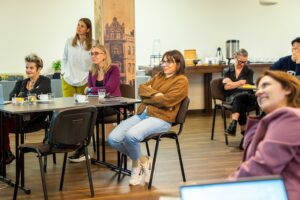
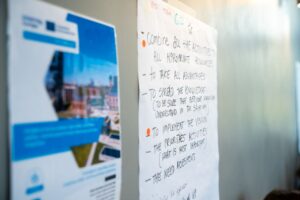
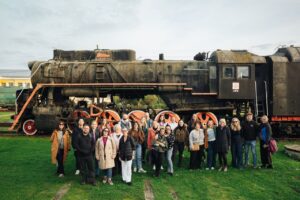
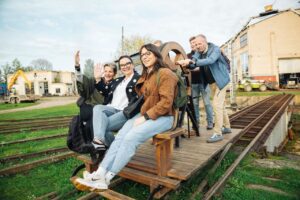
The second day took place in the Gulbene area and centred on an interactive co-creation workshop dedicated to developing NEB guidance for other European regions. Hosted at the “Dzelzceļš un Tvaiks” educational centre, located within the area’s historic railway setting, the workshop provided an opportunity for project partners to share experiences, discuss challenges related to implementing NEB principles and jointly develop practical recommendations for integrating these values into regional policies and development initiatives.
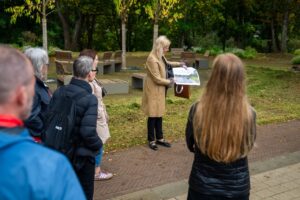
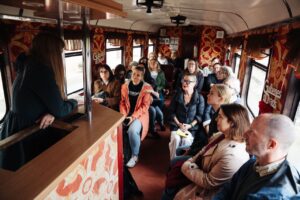
The programme continued with study visits to significant cultural and heritage sites, including the historic Gulbene–Alūksne narrow-gauge railway, Stāmeriena Palace, Viestura Street Quarter and Gulbene Depot. These visits highlighted the importance of cultural and industrial heritage in preserving collective memory and strengthening local identity, while demonstrating how heritage assets can contribute to territorial revitalisation and the attractiveness of local communities.
The programme also featured a presentation of the innovative “CLF Growth Container” solution developed by Carbon Less Future, which enables the cultivation of tree seedlings in a controlled environment and was recognised at the DesignEuropa Awards 2026. The initiative offered an additional example of how design and innovation can contribute to environmentally sustainable solutions.
Project Coordination and Next Steps
The third and final day included a meeting of the project’s Steering Committee, during which partners reviewed PICOBELLO’s financial and implementation progress, discussed good practices and coordinated upcoming project activities. The meeting concluded with a visit to the Valmiera Drama Theatre, offering another example of the important role that cultural infrastructure plays in shaping local identity and community life.
Turning European Experience into Regional Development Opportunities
The 6th Transnational Workshop of PICOBELLO highlighted the value of interregional knowledge exchange and collaboration in advancing the principles of the New European Bauhaus. It reinforced the understanding that sustainability, aesthetics and inclusion are interconnected dimensions that can guide the development of policies and initiatives delivering meaningful benefits to local communities.
For KEPA and the Region of Central Macedonia, participation provided another valuable opportunity to exchange expertise and draw inspiration from European practices, further supporting ongoing efforts to integrate NEB principles into regional development planning.
Through its participation in PICOBELLO, KEPA continues to promote collaboration, innovation and human-centred design, contributing to the development of more sustainable, attractive and inclusive European regions.