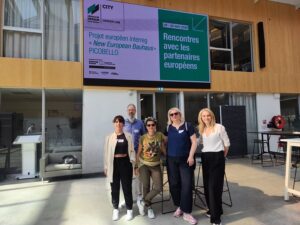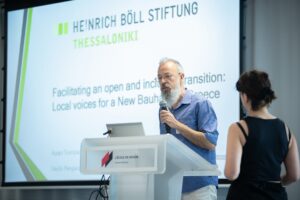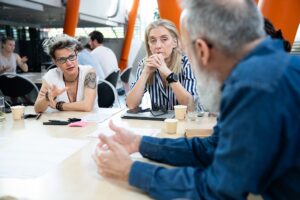

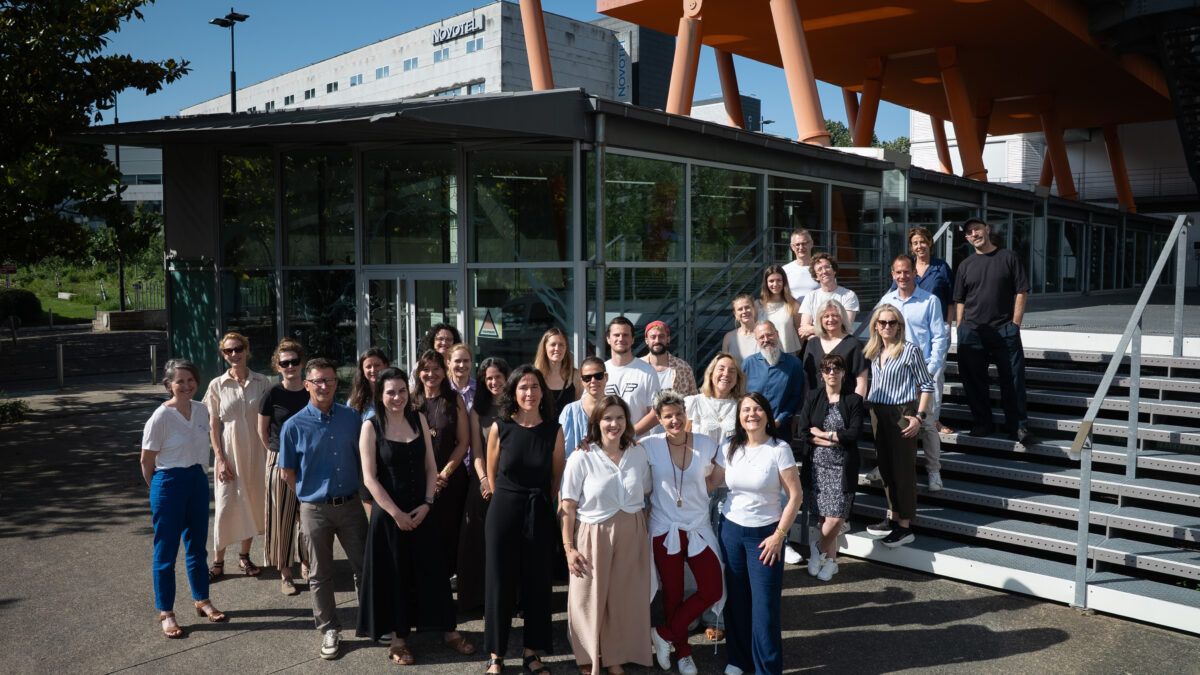
From 26 to 28 May 2026, representatives of the PICOBELLO project consortium met in Nantes, France, for the 5th Transnational Workshop, hosted by L’École de design Nantes Atlantique (EDNA). The workshop focused on advancing the project’s next phase: refining policy interventions and pilot actions while further exploring good practices that support the implementation of the New European Bauhaus (NEB) principles across European regions.
The three-day event brought together project partners, stakeholders, policymakers, and innovation actors to exchange experiences, review progress, and discuss practical approaches for creating more sustainable, inclusive, and beautiful communities.
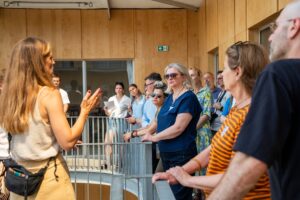
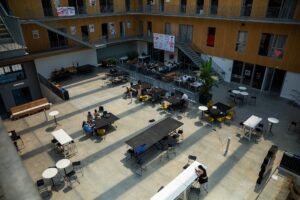
The workshop opened with presentations on Nantes’ ecosystem for innovation and design-driven development, highlighting initiatives such as Nantes City Lab, Éco-Innovation Factory, and other regional tools supporting creativity, sustainability, and citizen participation. Participants also had the opportunity to visit EDNA’s facilities and learn about local approaches that place design at the centre of territorial development.
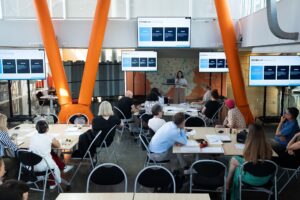
A key part of the programme was dedicated to the exchange of good practices among partner regions. Presentations covered topics including community engagement for the New European Bauhaus, educational models linking craft and design, sustainable tourism initiatives, and regional approaches to embedding NEB values into policy-making and local development.
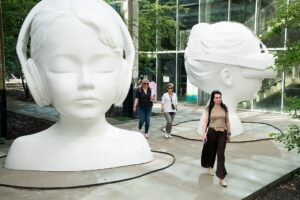
The second day focused on stakeholder engagement and co-creation methodologies. Through an interactive workshop facilitated by Sensipode, participants explored how stakeholders can be effectively mobilised to drive action and contribute to the development of meaningful policy interventions. The programme also included study visits to several urban experimentation sites in Nantes, showcasing innovative approaches to social inclusion, urban transformation, and participatory design.
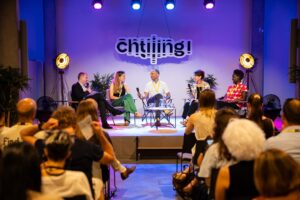
The workshop concluded with participation in the Chtiiing! Nantes Days of Creativity Festival, where project partners engaged in discussions with local stakeholders and visitors, sharing experiences and reflecting on the role of creativity and collaboration in shaping sustainable futures. The Steering Committee meeting also provided an opportunity to review project progress, discuss upcoming activities, and coordinate the next stages of implementation.
The Nantes workshop represented an important milestone for PICOBELLO, enabling partners to consolidate lessons learned, strengthen interregional cooperation, and further develop policy recommendations that support the integration of New European Bauhaus values into regional and local development strategies.
KEPA actively participated in the workshop, contributing to the exchange of experiences and bringing back valuable insights that will support the implementation of project activities and stakeholder engagement processes in Central Macedonia.